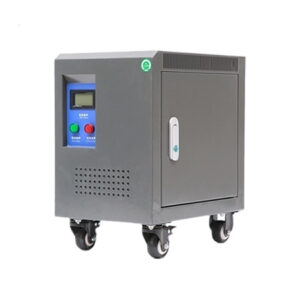
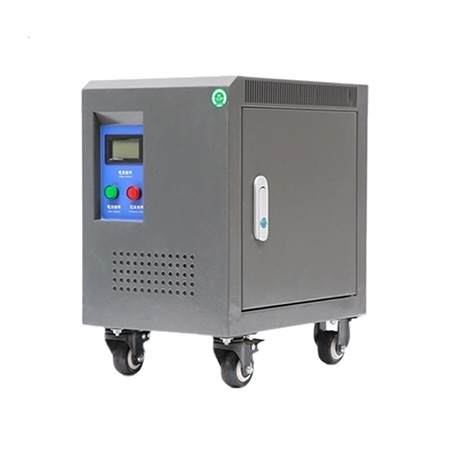

An isolation transformer is a specialized electrical device designed to provide galvanic isolation between primary and secondary circuits, transferring power solely through magnetic induction without any direct electrical connection. Unlike conventional transformers that primarily step voltage up or down, isolation transformers typically maintain a 1:1 turns ratio, keeping the output voltage equal to the input voltage while creating a critical safety barrier between power sources and connected equipment. Safety represents the paramount advantage of isolation transformers. By electrically floating the secondary circuit, these devices break the return path for fault currents to earth, dramatically reducing the risk of electric shock to personnel performing maintenance or operating connected equipment. This characteristic makes them mandatory in medical environments where patient safety is critical, with medical-grade units complying with stringent IEC 60601 standards to ensure ultra-low leakage currents that prevent micro-shock hazards during direct patient contact. Beyond personal protection, isolation transformers safeguard sensitive equipment from damaging voltage spikes, transients, and electrical noise prevalent in industrial power systems. They act as effective filters against high-frequency disturbances while providing surge protection that shields downstream devices from lightning strikes and switching transients. In data centers, laboratories, and audio recording studios, they ensure clean power delivery that prevents signal corruption and maintains measurement accuracy.