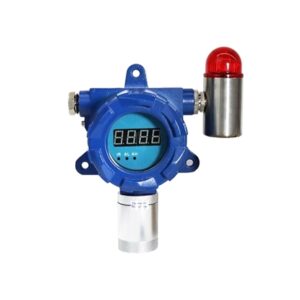
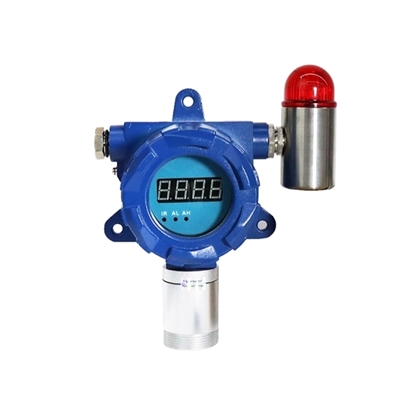

Fixed gas detectors are essential safety devices designed to continuously monitor hazardous gases in industrial environments. These systems utilize various sensing technologies—catalytic bead sensors for combustible gases, infrared sensors for hydrocarbons, and electrochemical sensors for toxic gases—to detect dangerous concentrations and trigger alarms. Installation placement depends on gas density: heavier-than-air gases like propane require floor-level mounting, while lighter gases such as hydrogen need ceiling positioning. Modern detectors integrate with facility control systems through 4-20 mA analog outputs or digital protocols like Modbus, enabling automated responses including ventilation activation and emergency shutdowns. Regular calibration using certified reference gases ensures accuracy, while bump testing provides functional verification between formal calibrations. Environmental factors including temperature extremes, humidity, and contaminants can affect performance, making proper environmental ratings crucial for industrial settings. Applications span oil and gas production, chemical manufacturing, wastewater treatment, and confined space monitoring. Regulatory standards from OSHA, NFPA, and IEC mandate installation in many hazardous environments. Recent advancements include wireless connectivity, multi-sensor arrays, and predictive maintenance algorithms that analyze performance trends to prevent failures. Ultimately, these devices serve as continuous guardians in hazardous environments, detecting invisible threats and enabling protective actions that safeguard both personnel and facilities.