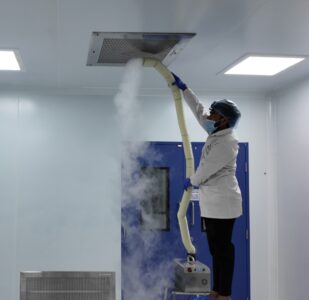
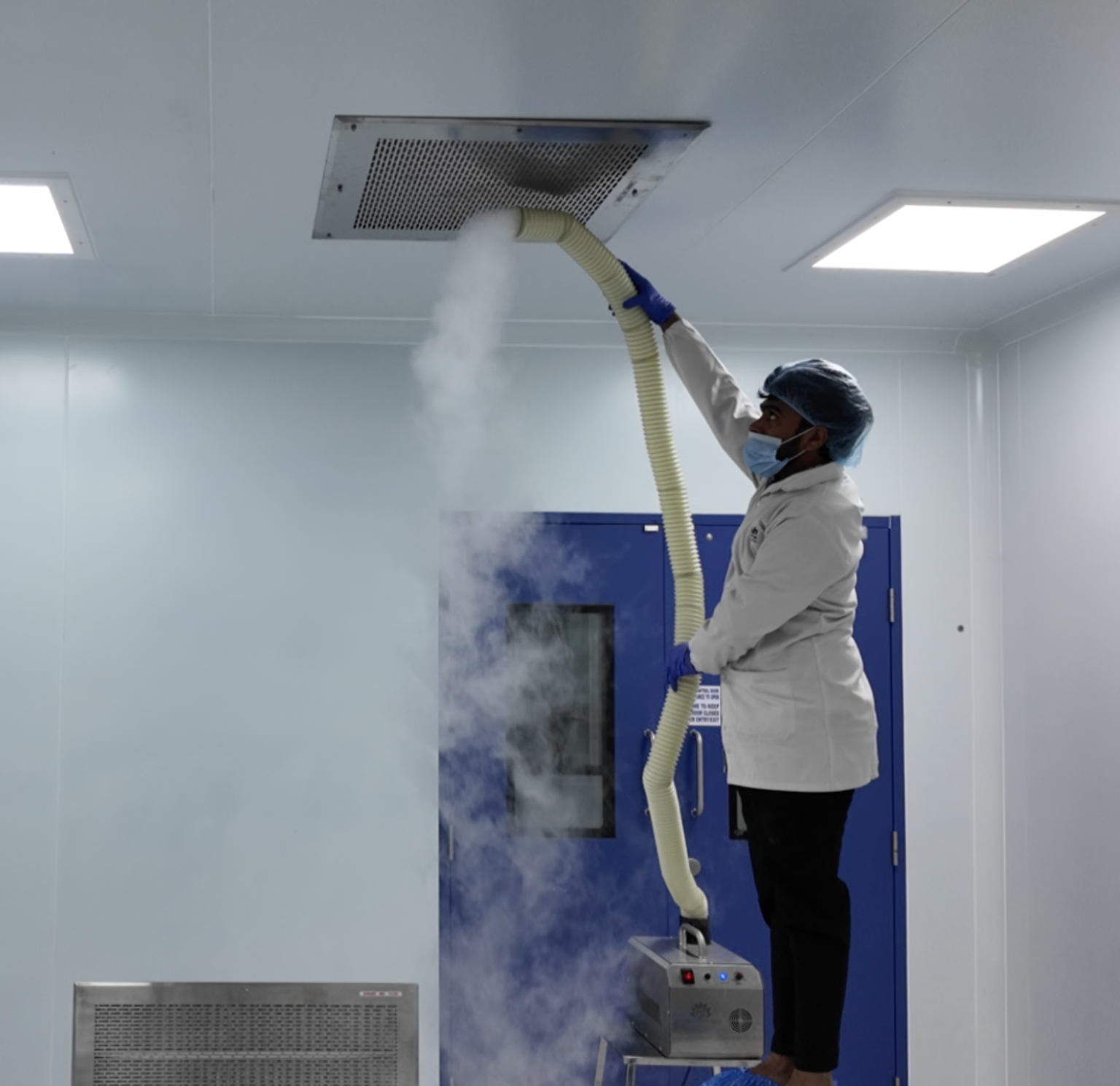

Cleanroom Validation in Bangalore is an important process for pharmaceutical, biotechnology, healthcare, medical device, research, and laboratory facilities that require consistent environmental conditions. Cleanrooms are designed to control airborne particles, airflow, pressure, temperature, humidity, and other factors that can influence contamination control and operational performance. Validation helps verify that these conditions remain within specified requirements and that the cleanroom and supporting HVAC systems perform effectively. A structured validation program can include airborne particle counting, airflow velocity measurement, air changes assessment, differential pressure testing, temperature and relative humidity monitoring, HEPA filter integrity testing, recovery testing, and airflow visualization. These assessments provide measurable information about different aspects of cleanroom performance. Particle counting helps evaluate airborne cleanliness, while airflow and pressure testing provide information about ventilation and pressure relationships between controlled areas. HEPA filter integrity testing can help identify potential leakage or installation-related issues that may affect filtration performance. Airflow visualization can demonstrate air movement within the room and help identify undesirable airflow patterns. Temperature and humidity testing can support environmental stability where these parameters are important for processes, materials, equipment, or personnel requirements. Documentation is also an important part of cleanroom validation. Test procedures, equipment details, measurement locations, acceptance criteria, observations, results, and conclusions can be recorded in validation reports. Proper documentation provides traceability and supports quality assurance, audits, inspections, and ongoing facility management. Venair Solutions provides Cleanroom Validation in Bangalore based on the specific requirements of each controlled environment. Validation activities can be planned according to cleanroom classification, HVAC configuration, room layout, filtration arrangement, equipment placement, and intended operations. Proper testing and documentation help organizations maintain reliable cleanroom performance and support controlled environmental conditions across critical pharmaceutical, biotechnology, healthcare, medical device, research, and laboratory applications.