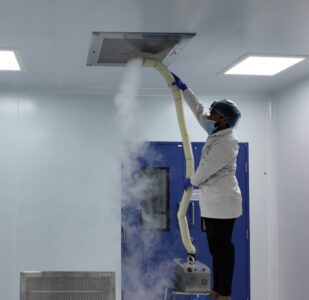
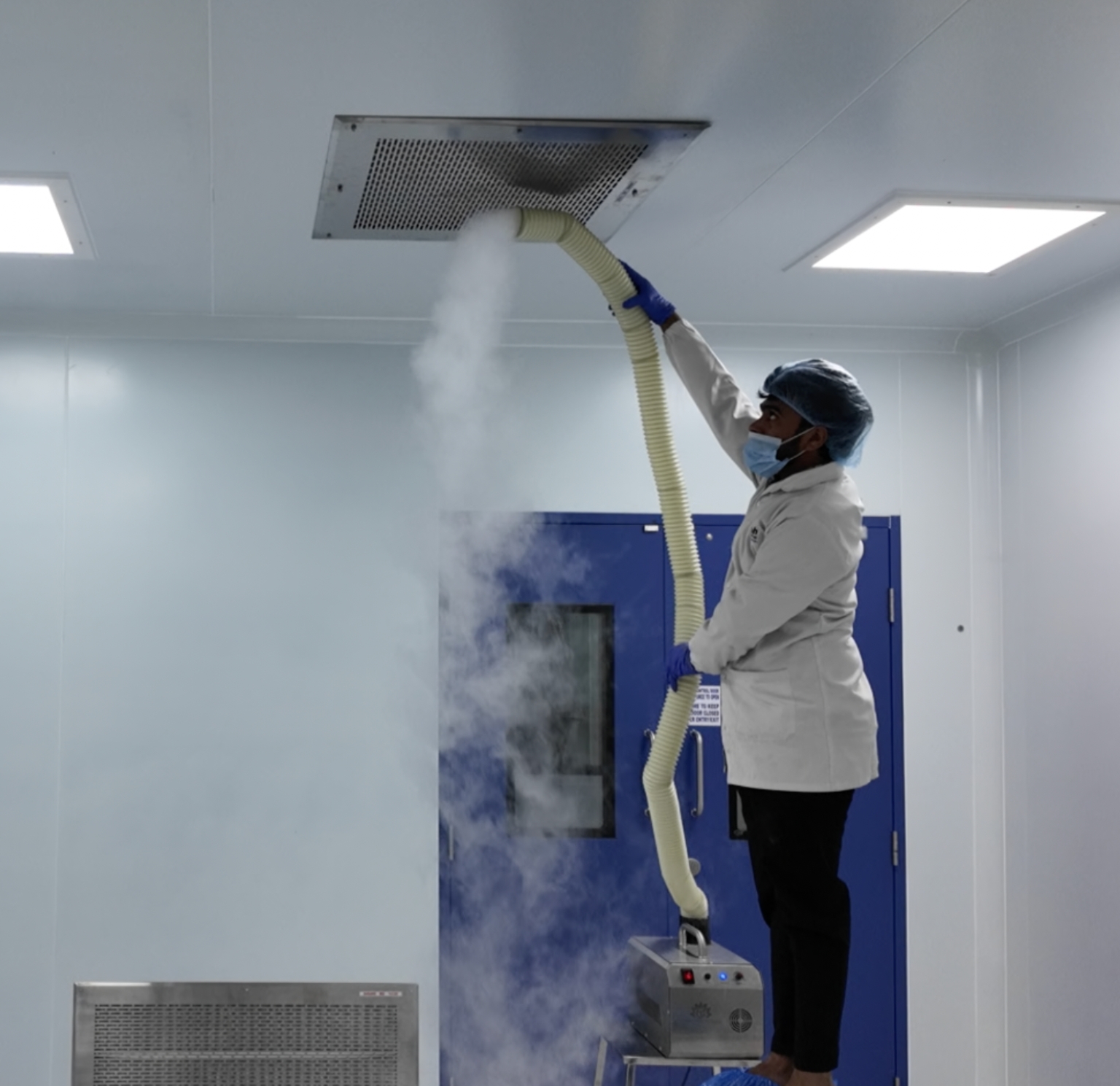

Cleanroom Validation Services in Bangalore help organizations verify that their controlled environments consistently meet defined cleanliness and environmental performance requirements. Pharmaceutical companies, biotechnology facilities, hospitals, medical device manufacturers, laboratories, research centres, electronics industries, and other contamination-sensitive businesses depend on cleanrooms to protect products and critical processes from environmental contamination. Cleanroom validation involves systematic testing and documentation of important parameters. Depending on the facility and application, validation may include airborne particle counting, HEPA filter integrity testing, airflow velocity measurement, airflow visualization, differential pressure testing, temperature and humidity monitoring, and recovery performance assessment. Airborne particle counting helps determine whether the cleanroom meets its specified cleanliness classification. HEPA filter integrity testing evaluates filtration effectiveness and helps identify potential leaks. Airflow velocity testing verifies proper air distribution, while airflow visualization can demonstrate airflow movement and identify areas of turbulence or stagnant air. Differential pressure testing is used to verify pressure relationships between cleanroom zones. Maintaining suitable pressure differences helps control airflow direction and reduces the risk of contaminants entering cleaner areas. Temperature and humidity testing further supports environmental stability for sensitive products, materials, equipment, and processes. Professional Cleanroom Validation Services in Bangalore can provide planned testing, appropriate measurement instruments, technical evaluation, acceptance criteria assessment, and detailed validation documentation. These records can support quality assurance programs, audits, inspections, and applicable ISO 14644, GMP, and NABH requirements. Validation can also be important after HVAC modifications, HEPA filter replacement, major maintenance, equipment installation, room layout changes, or process modifications. Regular verification helps organizations detect performance changes early and take corrective action when required. A structured validation program supports contamination control, operational consistency, quality management, and long-term cleanroom reliability, helping organizations maintain controlled environments suitable for critical manufacturing, healthcare, laboratory, and research applications.