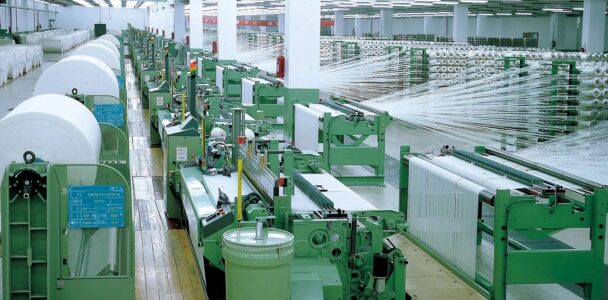
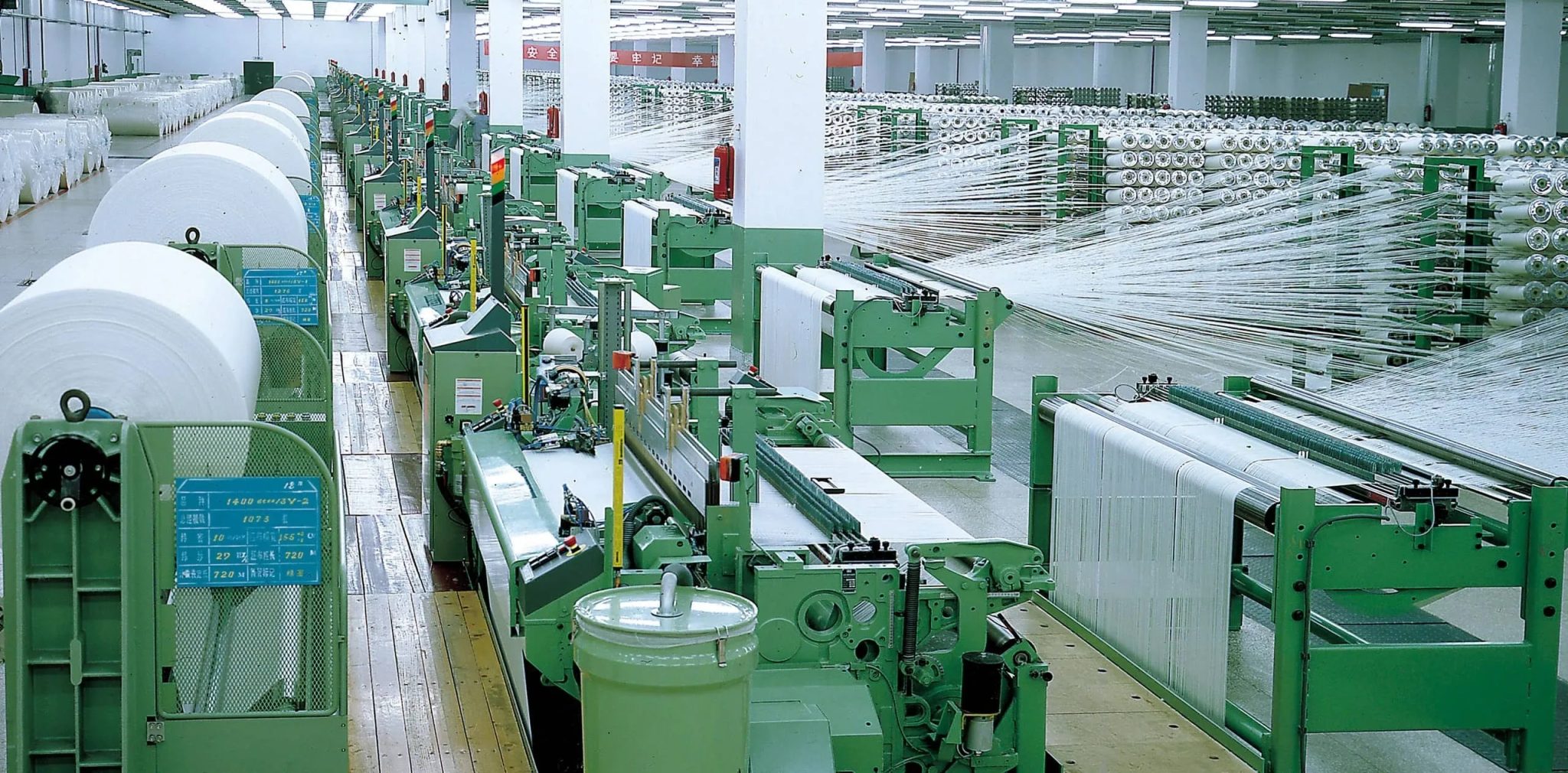

1. Sustainability Takes Centre Stage Sustainability has become a key focus area for apparel businesses worldwide. Consumers are increasingly demanding environmentally responsible products, encouraging brands to adopt eco-friendly practices. Manufacturers are investing in: Organic and recycled fabrics Water-saving dyeing technologies Waste reduction initiatives Ethical sourcing practices Circular fashion models The transition toward sustainable production is no longer optional but a competitive necessity for long-term success. 2. Digital Transformation and Automation Technology is revolutionizing garment manufacturing. Automation, artificial intelligence, and digital solutions are improving productivity while reducing errors and operational costs. Key innovations include: AI-powered quality inspection Automated cutting systems Digital pattern making 3D garment visualization Virtual sampling Smart factory solutions These advancements enable faster turnaround times and greater production efficiency. 3. Growth of E-commerce and Direct-to-Consumer Models Online shopping has reshaped how consumers discover and purchase apparel. Brands are increasingly adopting direct-to-consumer (D2C) strategies to build stronger customer relationships and improve profitability. Digital channels offer advantages such as: Personalized shopping experiences Better customer engagement Faster market feedback Expanded market reach Global fashion sales through digital channels continue to rise, making online presence essential for apparel businesses. 4. Demand for Agile Supply Chains The modern fashion market demands speed and flexibility. Shorter fashion cycles require manufacturers to respond quickly to changing trends. Companies are focusing on: Demand forecasting Smaller production batches Supply chain diversification Nearshoring strategies Enhanced inventory management Agility has become a defining factor in maintaining competitiveness.